Memory mediates how we experience the world. It is one of our most fundamental human abilities—yet we rarely think about it until it begins to fail. Experiences happen, memories are formed, recalled, and eventually fade.
This project explores what makes a memory meaningful and how everyday people can better capture, recall, and share their experiences. It investigates methods that support recollection, examines which aspects of memory can be quantified and translated into tangible experiences, and considers the social nature of remembering—as well as how we might design for future memory loss.
Memento focuses on enhancing experiential memories by helping people look back at past moments and recall them more easily. The goal is to support memory through subtle, seamless technology—integrated into everyday life without becoming intrusive.
In a world shaped by constant digital noise, social media, and fast-paced technology, memory can easily become fragmented or lost. This project explores how thoughtful design can help preserve and strengthen our ability to remember.
Design
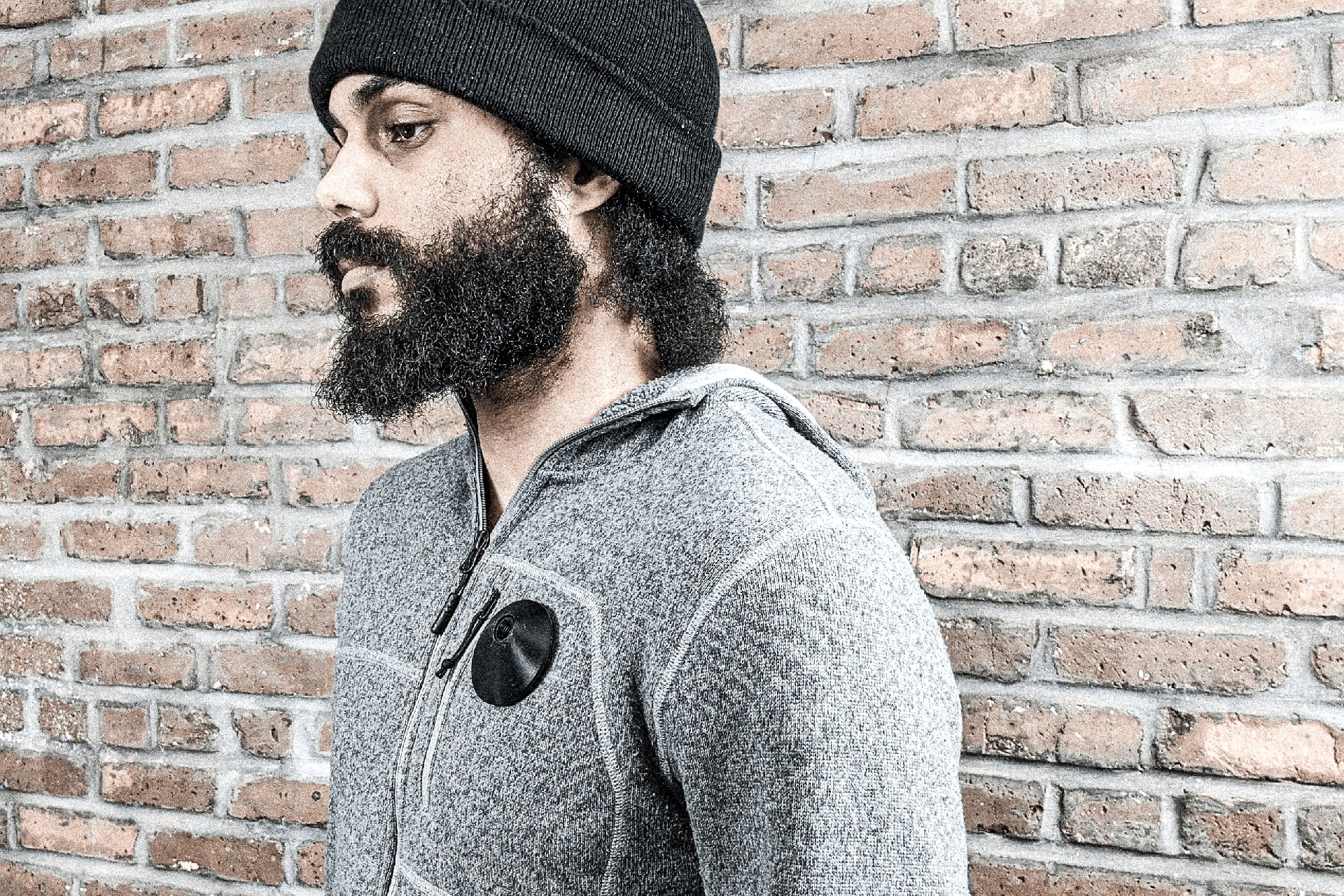
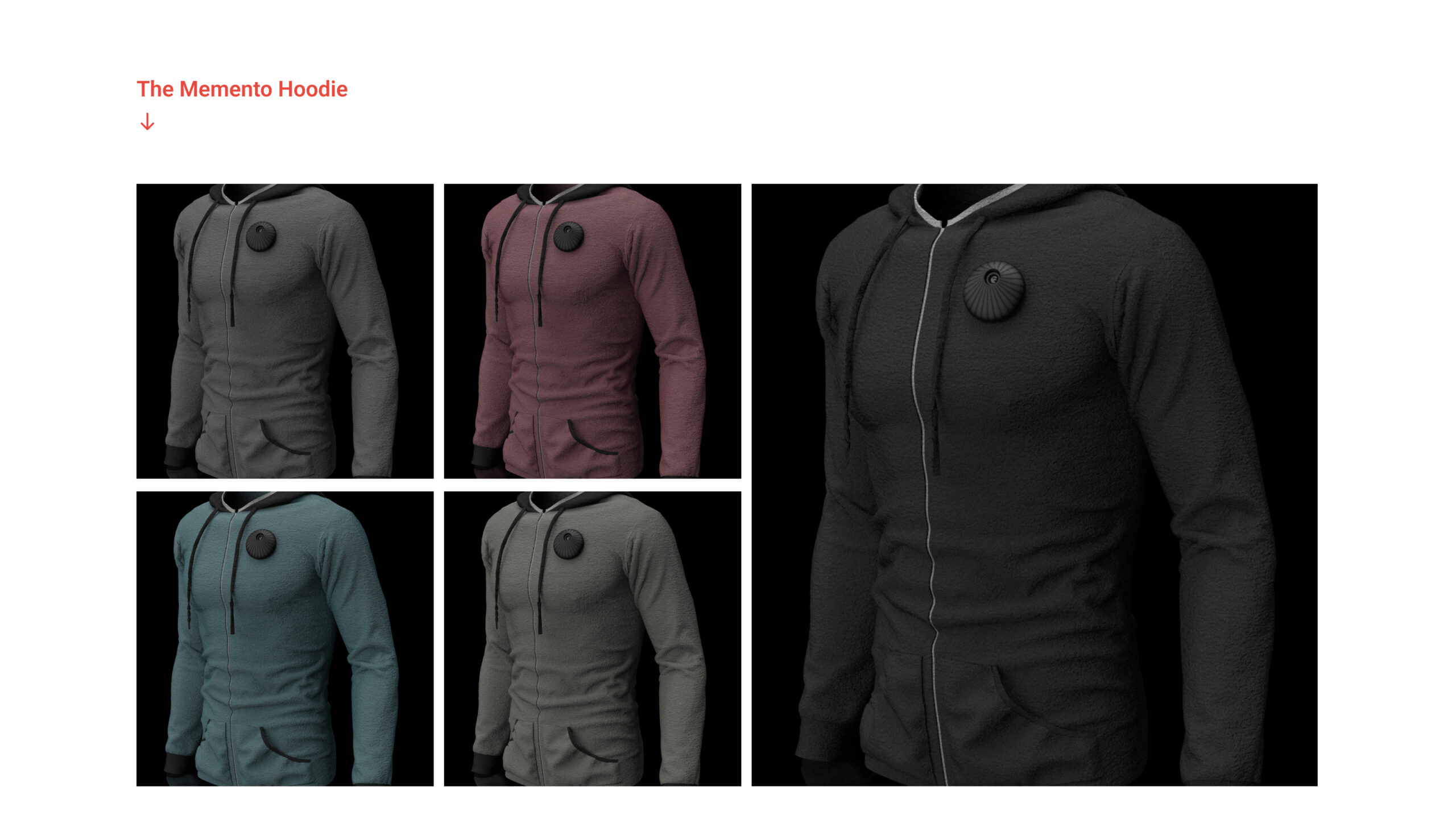
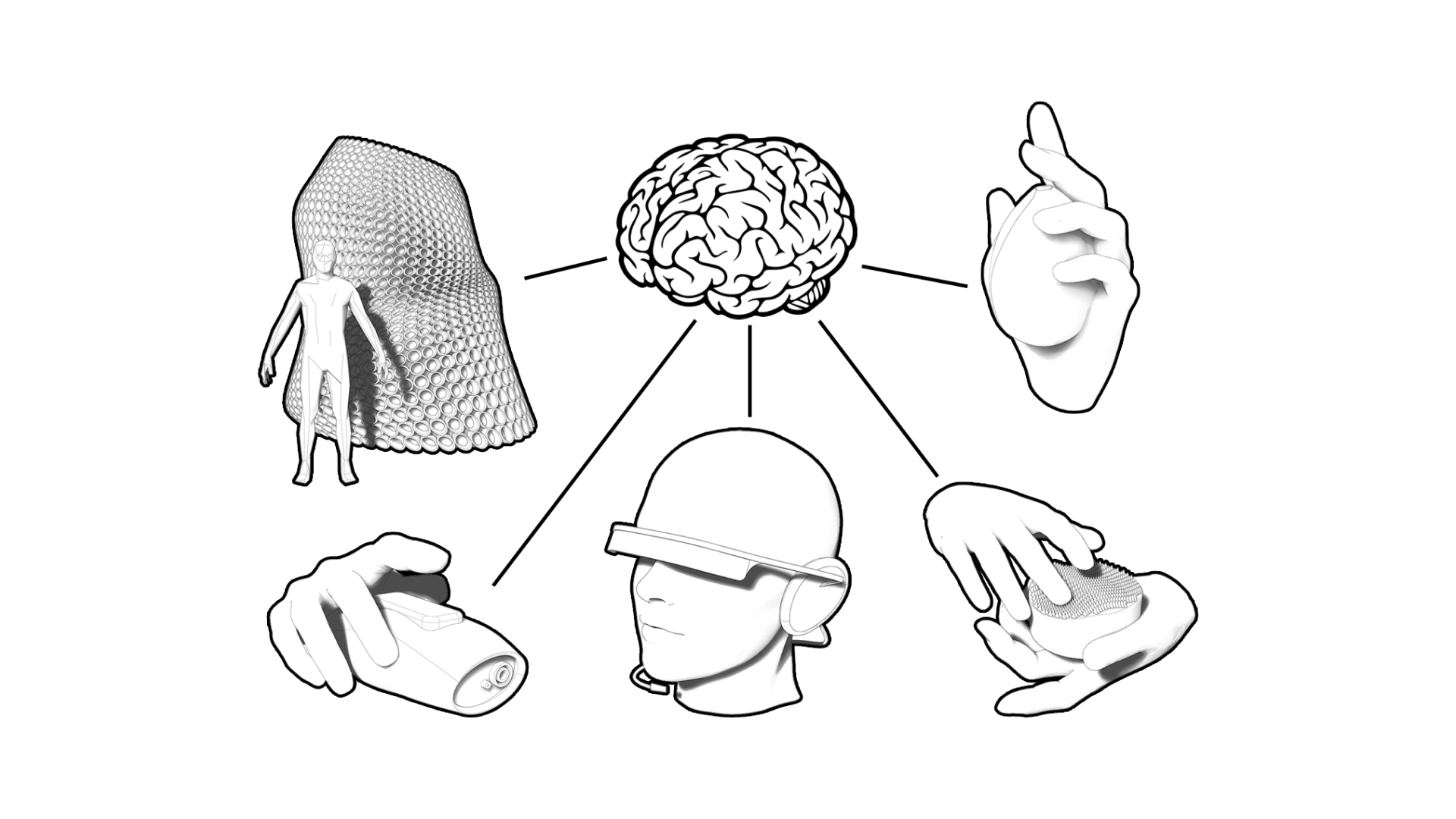
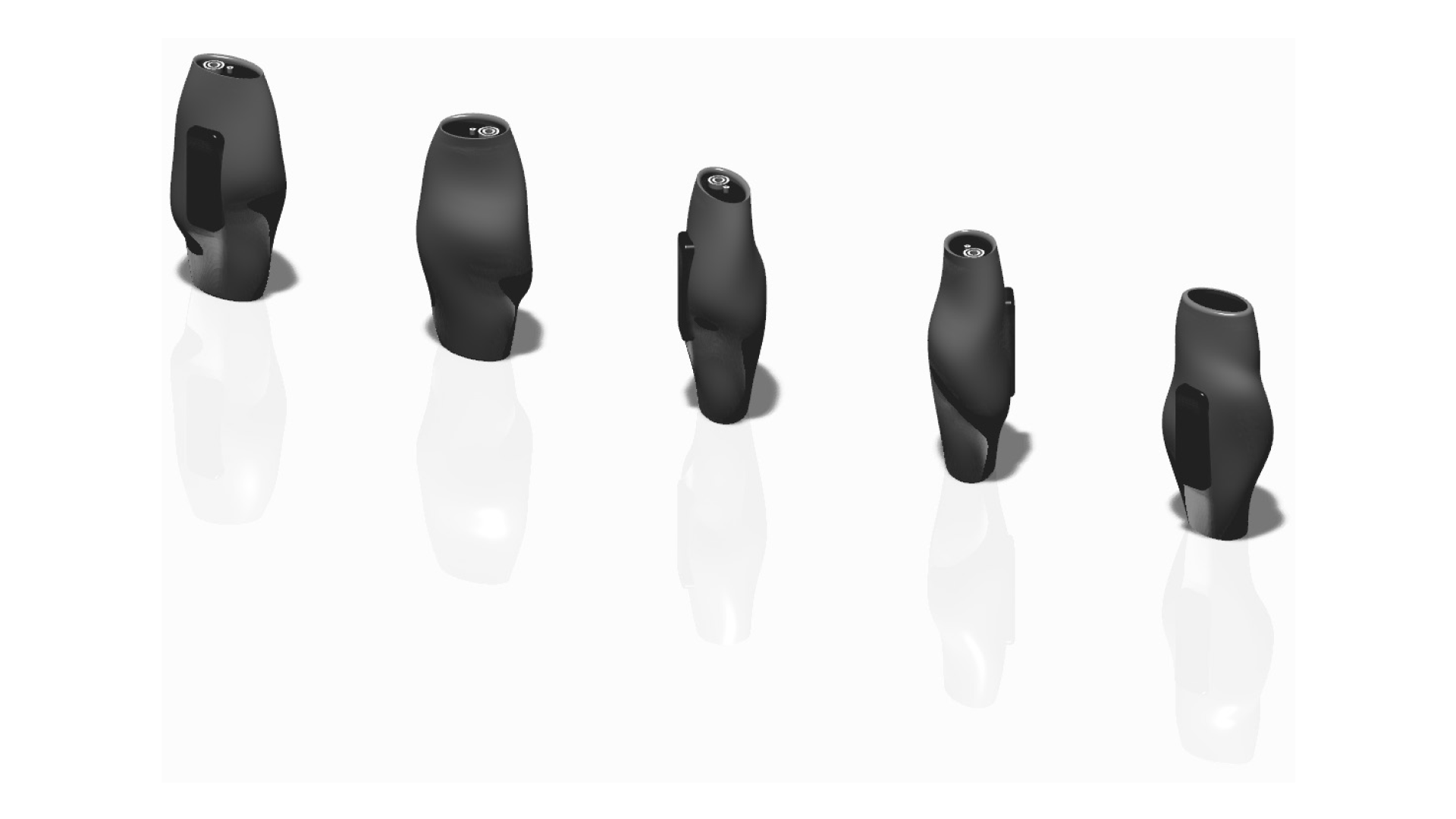
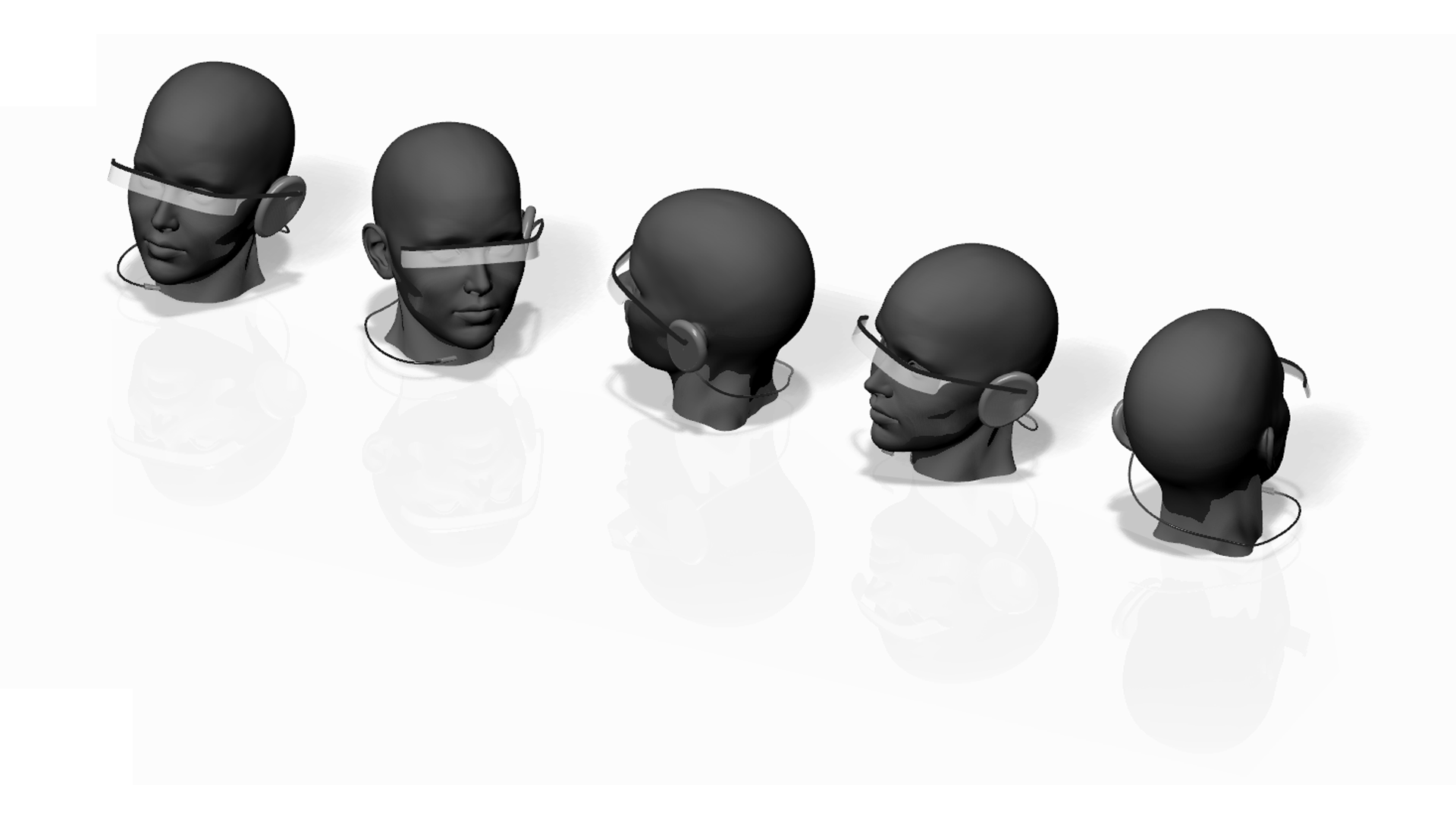
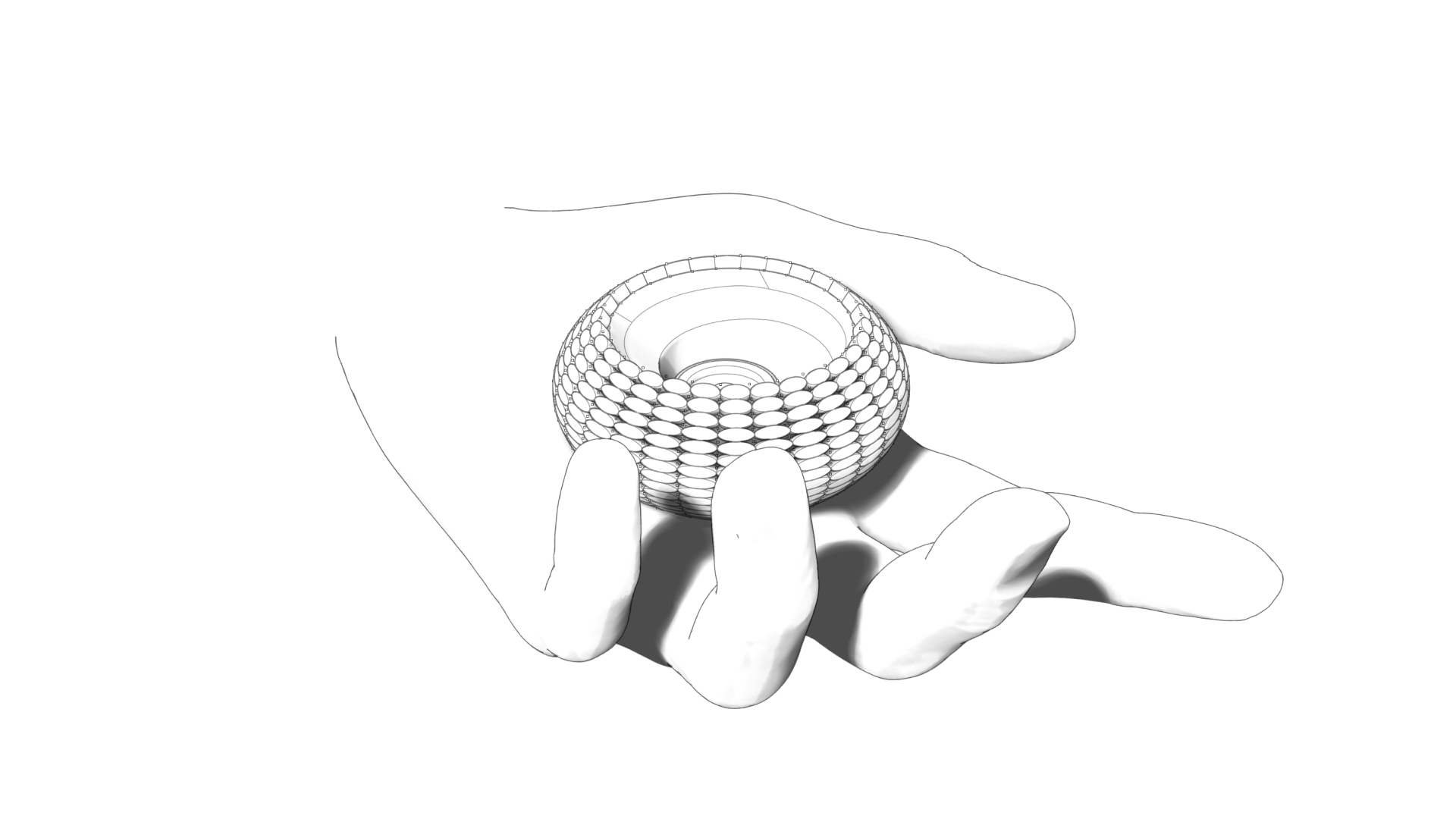
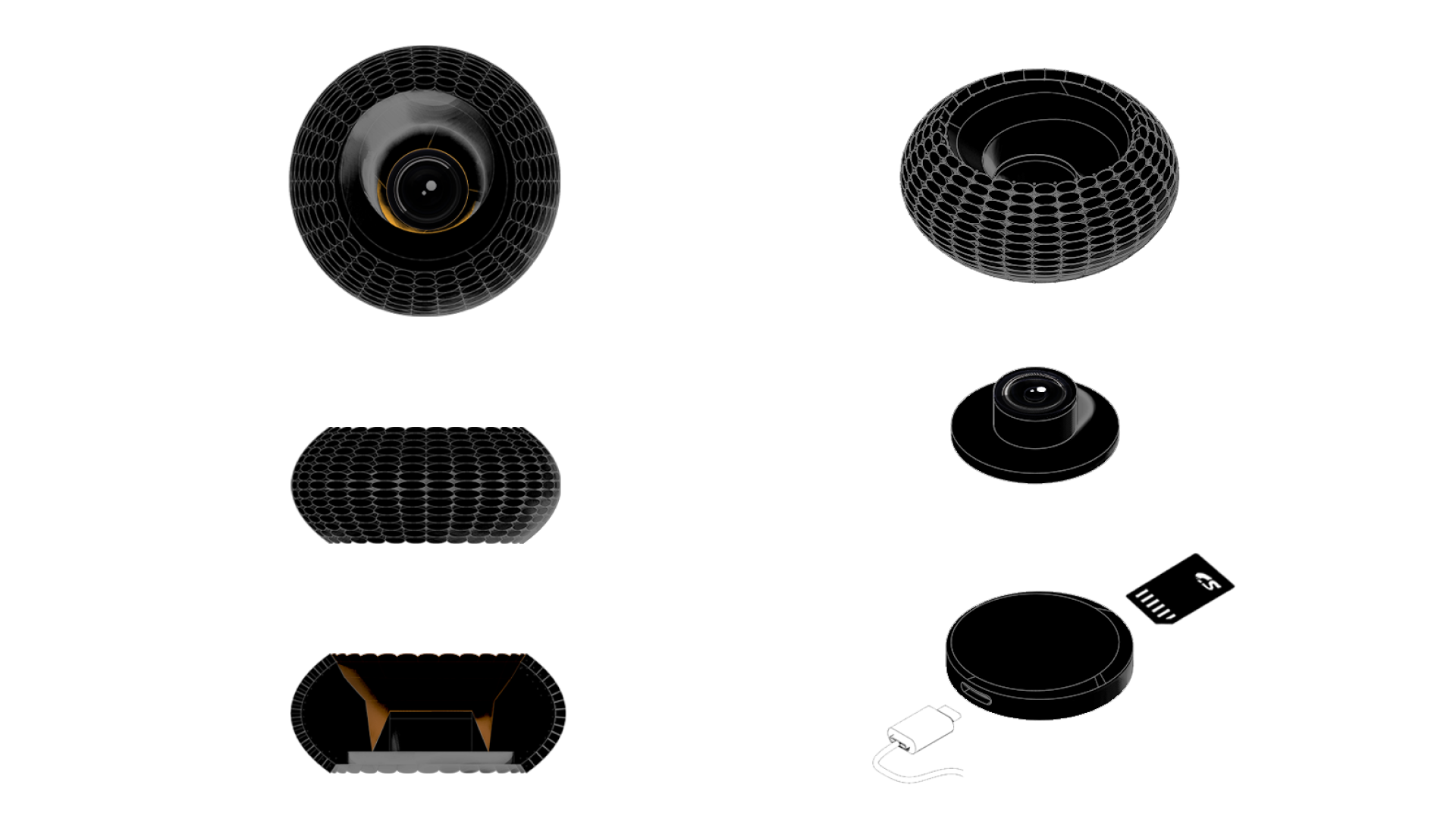
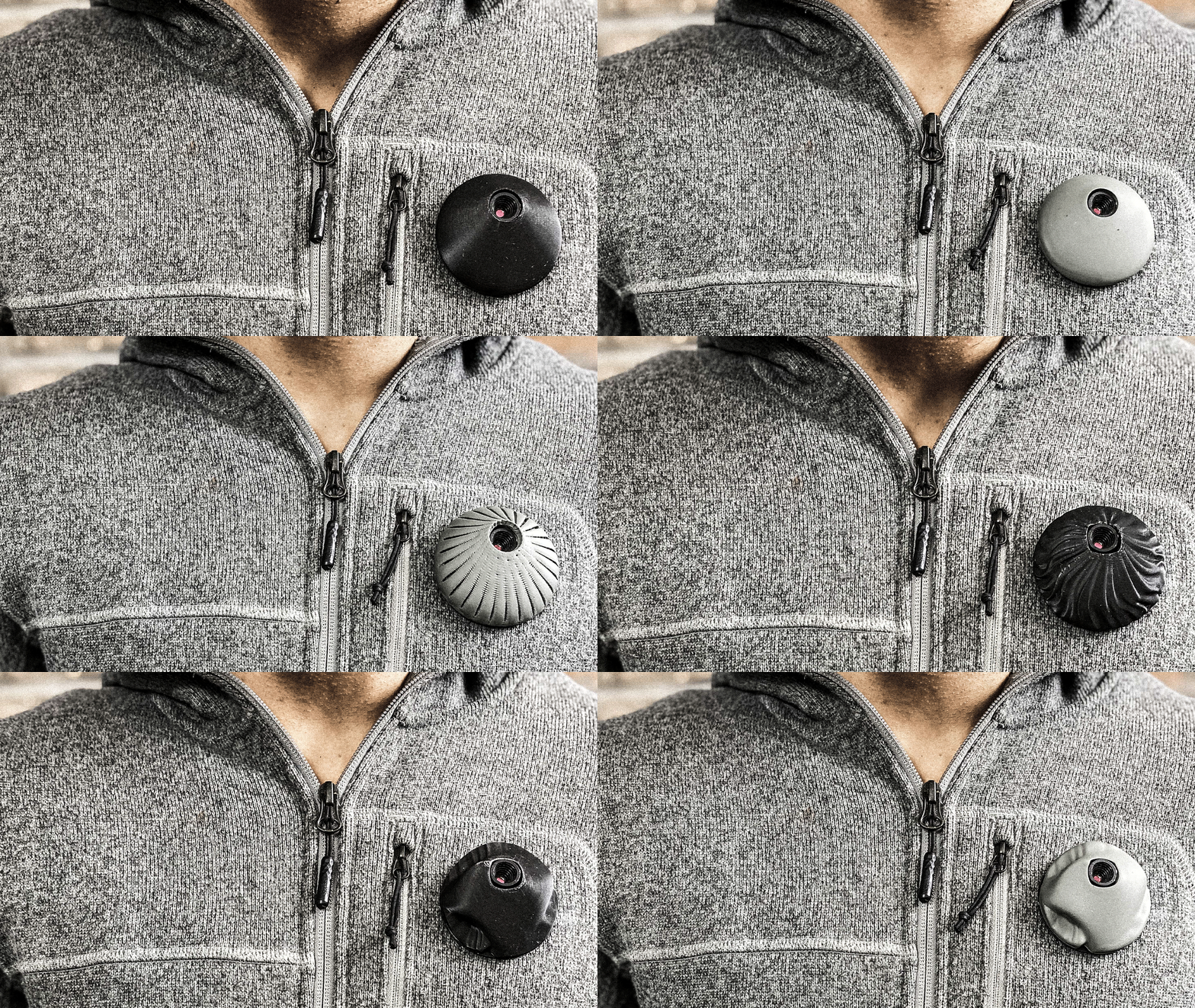
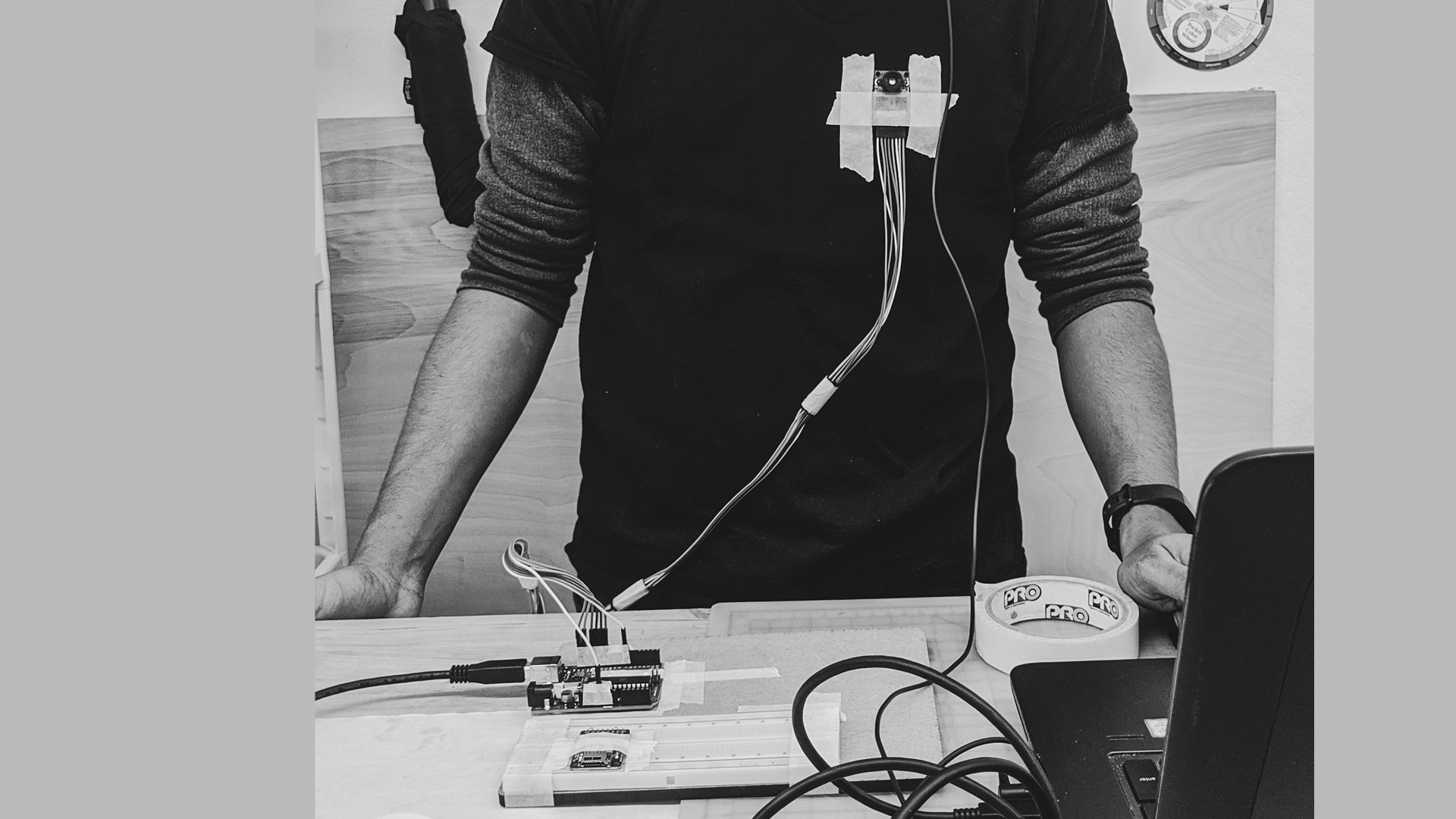
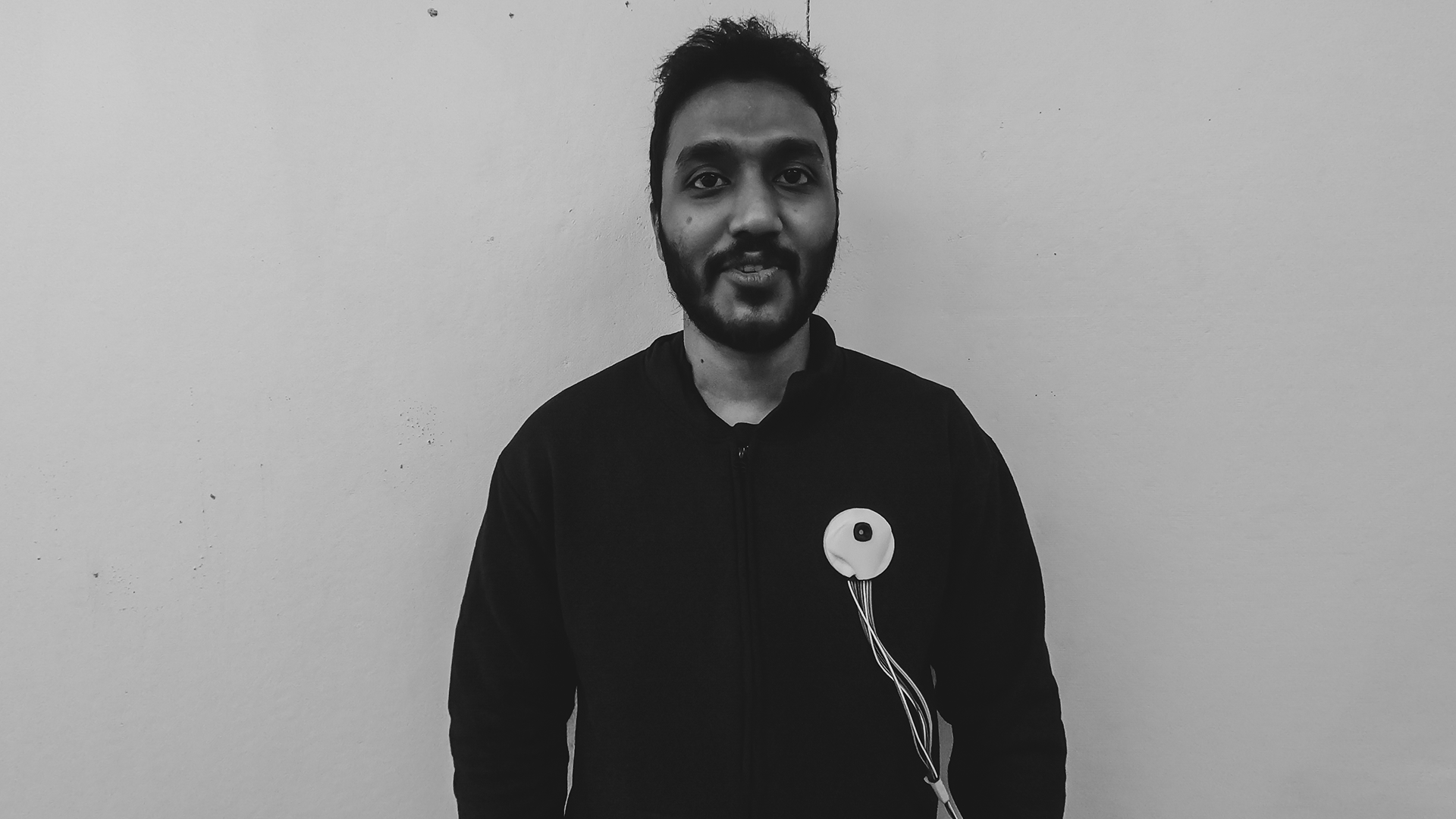
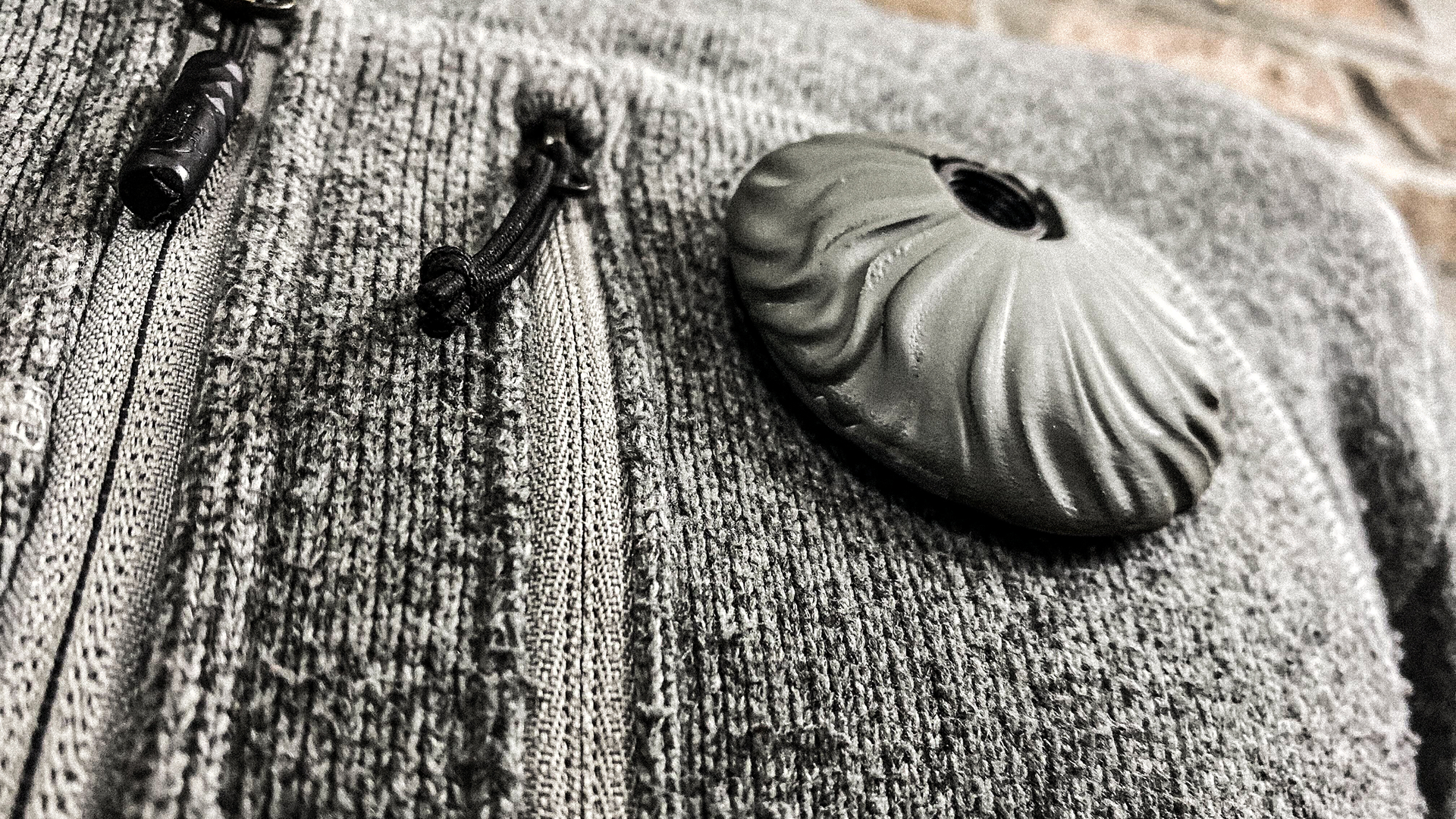
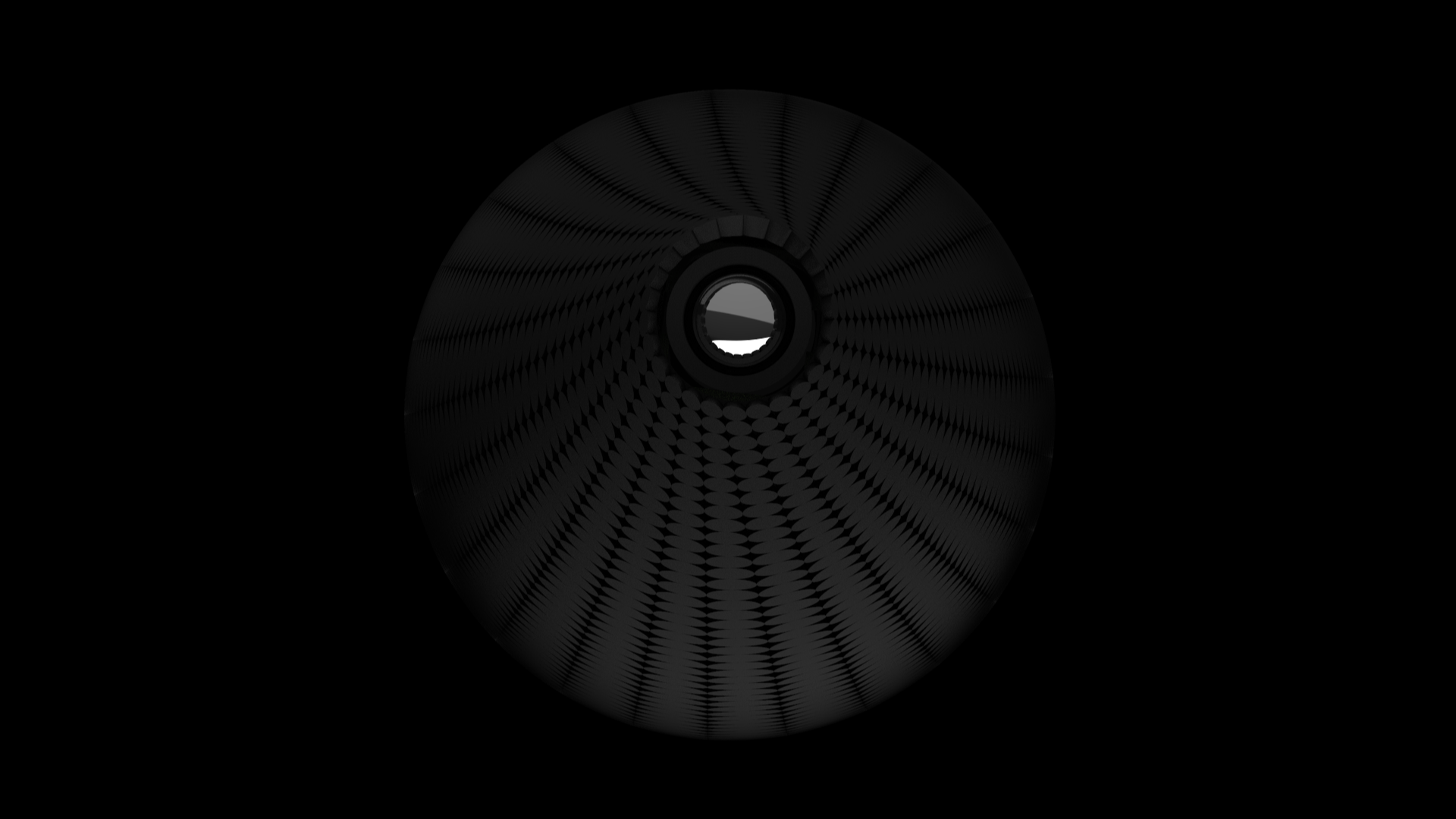
To explore these ideas, I developed Memento—an autonomous wearable device designed to create a subtle narrative of everyday life.
The device captures fragments of a user’s day and organizes them into a timeline connected to places visited, sights seen, sounds heard, and potentially even scents* in the future. Rather than documenting everything in detail, Memento creates a brief daily summary, like pieces of a puzzle that help users reconstruct and reflect on their experiences.
Theory
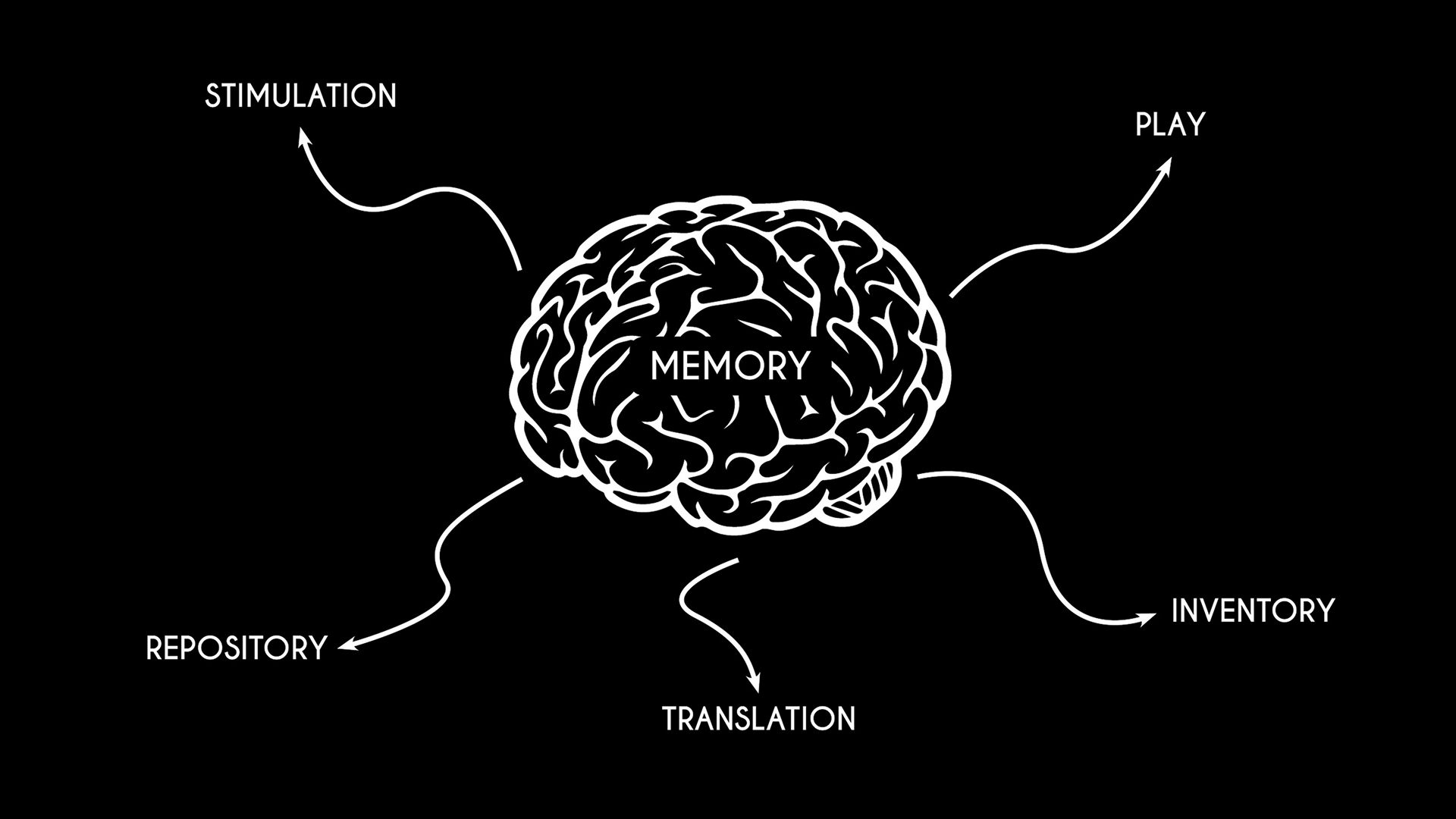
Research suggested that the strongest memories are formed through three key elements: place, narrative, and emotion.
While location and narrative can be captured and quantified, emotion cannot be directly measured. However, it can be triggered through stimuli—the sensory cues that bring memories rushing back, much like a familiar smell or song suddenly recalling a forgotten moment.
By reconstructing place and narrative, and reintroducing sensory stimuli, memories can often be recalled more vividly.
User Experience
To translate memory into a design system, the project explored how its components could be quantified:
Place through GPS, coordinates, and spatial data
Narrative through movement patterns and location timelines
Emotion through sensory associations
Visuals, sounds, smells, touch, and taste act as stimuli that reconnect users to emotional states tied to past experiences.
By mapping captured data onto a timeline, Memento generates a living map of movement and moments—a record of places visited and experiences accumulated over time. Gradually, these fragments begin to tell the broader story of a user’s life.
User Interface
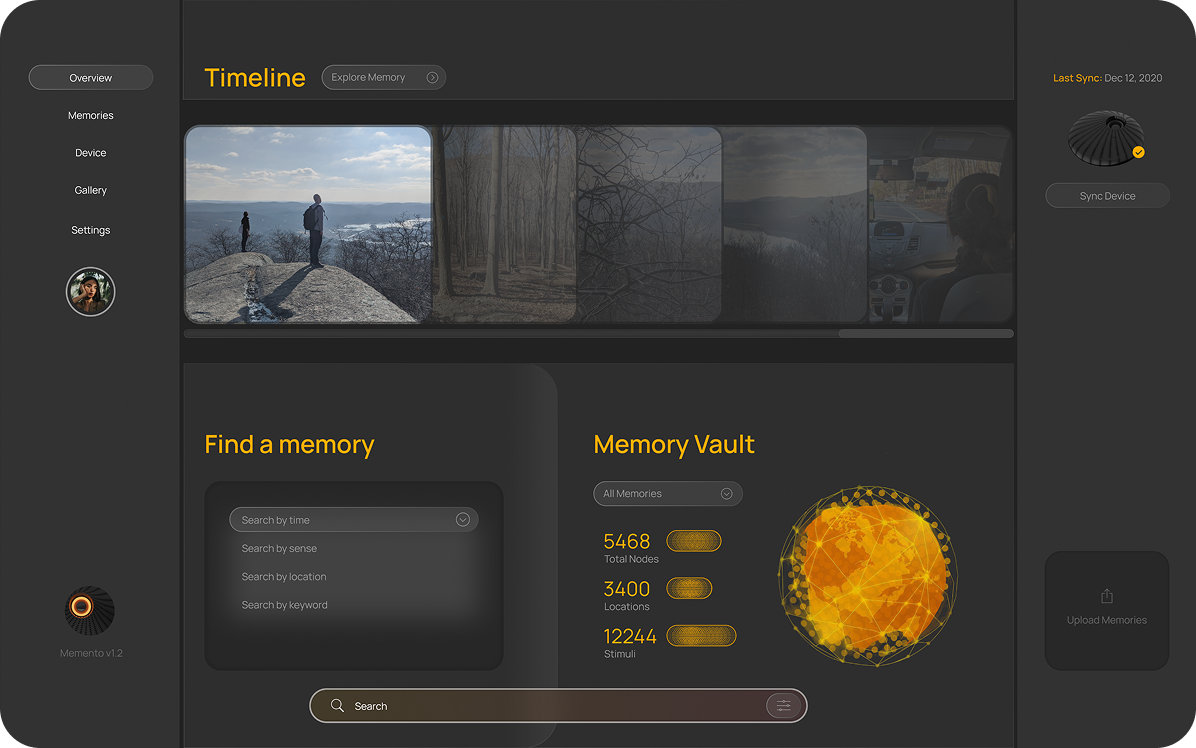
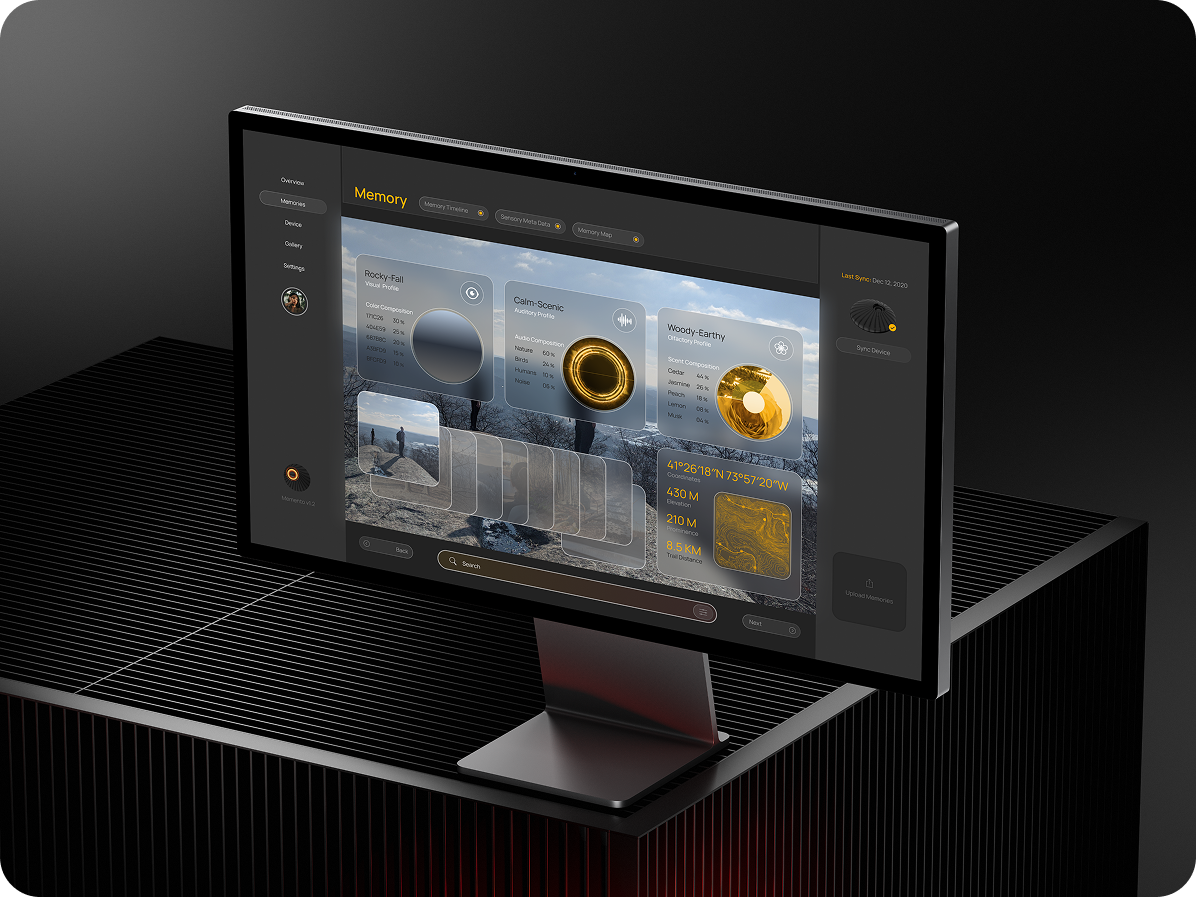
The Memento Gallery presents these memories in a simple, uncluttered interface designed for rediscovery.
Users can revisit moments through images, sounds, or sensory triggers, allowing them to step back into a specific experience. Memories can be explored across days, weeks, months, or years, or searched through filters such as location, time, or sensory cues.
For example, searching for cinnamon might reveal every recorded instance associated with that scent—creating unexpected pathways back into past experiences.
The interface encourages users to revisit memories regularly, strengthening the associations that keep them vivid.
Conclusion
A key feature of Memento is automatic capture. By documenting moments without deliberate input, the device records experiences people would rarely photograph themselves—the mundane, fleeting, and often overlooked.
These everyday fragments may seem insignificant in the moment, yet they often hold unexpected emotional value later. By removing the need to actively document, Memento allows users to fully experience the present, while the device quietly records contextual cues in the background.
Over time, the system builds a concise database of layered memories—images enriched with location, sound, and sensory context. Revisiting these layers strengthens memory associations and improves recall.
Ultimately, Memento acts as a spark for recollection—helping users reconnect with past experiences, construct personal narratives, and even prepare for future memory loss. In essence, it becomes a well-organized experiential archive of everyday life.
Project Gallery
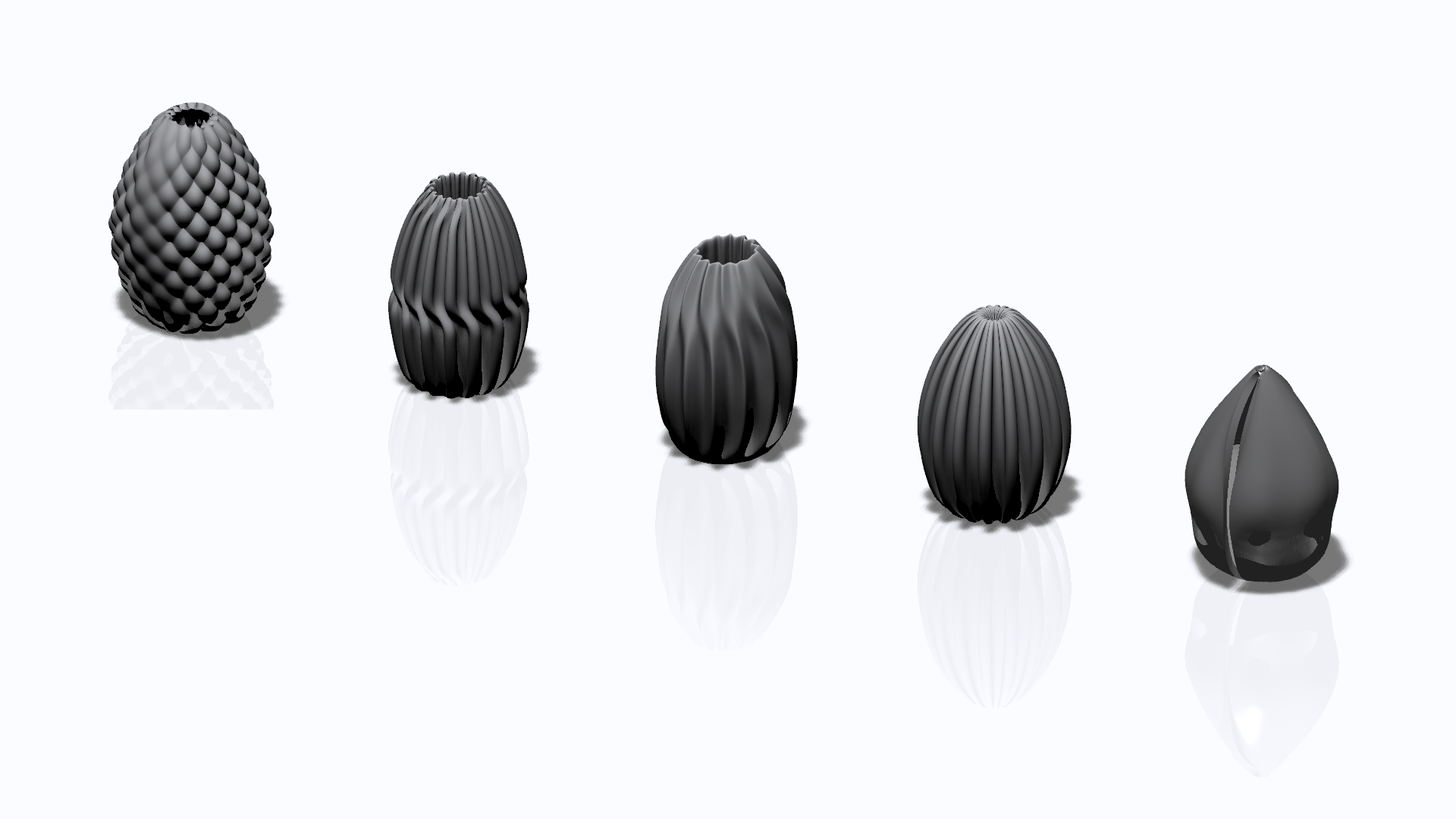
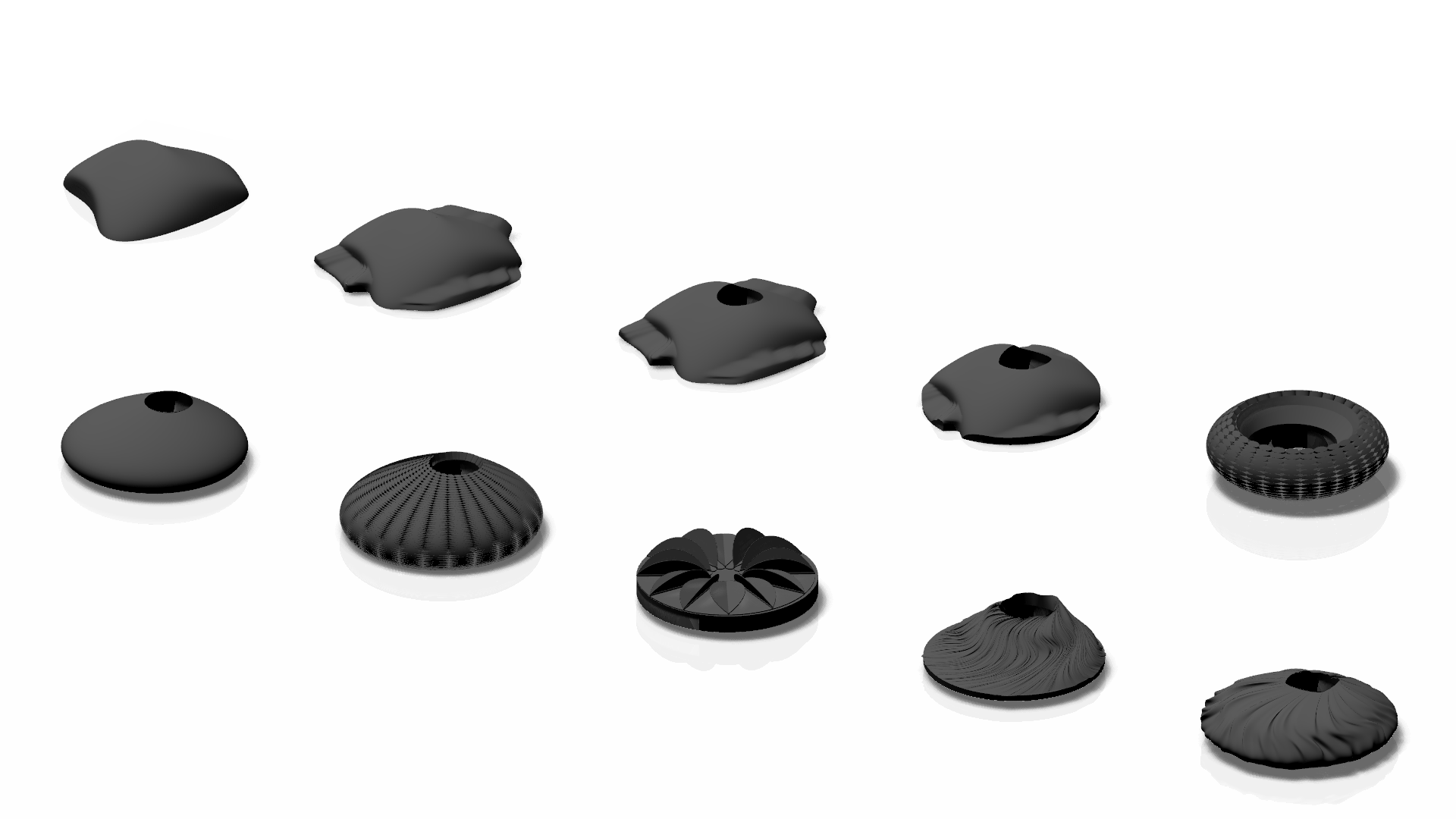
A visual journey capturing the project’s evolution—from concept to reality—through drawings, images, and design explorations.